
When War Rewrites the Workforce: How Geopolitical Conflict Reshapes Companies from the Inside
In 2026, geopolitical conflicts ripple directly into boardrooms, hiring plans, and workforce strategy — even for companies far from the front lines.
FDI enterprises and multinational corporations operating across borders, war and instability don’t just disrupt supply chains; they reshape the very DNA of workforce strategy. If you are still using 2023's playbook for 2026's volatility, you are already behind.
Geopolitical conflict has become a direct and measurable risk to global workforce strategy. It now influences hiring decisions, talent mobility, leadership planning, and organizational resilience from the inside out. While much attention is given to supply chains and capital flows, the companies that struggle most are often those that underestimate how geopolitical risk reshapes human capital strategy. In a volatile global environment, talent is no longer just a growth lever—it is a risk factor that must be actively managed.
By 2026, it is estimated that 40% of FDI expansion delays will be caused by talent mobility restrictions rather than capital shortages.
How Geopolitical Conflict Disrupts Long-Term Workforce Planning
The first and most immediate impact of geopolitical instability is the collapse of long-term planning. Five-year workforce roadmaps become irrelevant when conflict escalates. Capital allocation turns defensive, expansion plans are paused, and organizations adopt a “wait-and-see” posture.
Strategic hiring is replaced by short-term, reactive recruitment. Leadership succession planning is delayed or abandoned, and organizational capability building is deprioritized. Companies may continue to hire, but without a clear workforce strategy, hiring becomes tactical rather than transformative. Over time, this erodes competitiveness and leaves organizations unprepared when markets stabilize or rebound.
Talent Risk and Mobility Challenges in Times of War
Geopolitical conflict fundamentally changes how professionals assess career decisions. In uncertain environments, talent behavior becomes more conservative and risk-averse.
Key shifts include:
- Security over ambition: Senior and high-potential talent often prefer stable, legacy organizations over high-growth but volatile companies.
- Reduced international mobility: Expat assignments and cross-border transfers become increasingly difficult due to family safety concerns, visa uncertainty, and geopolitical restrictions.
- The hidden talent gap: Many critical leaders avoid visible job changes during crises, making the most valuable talent less active in the open market.
This creates a “shadow vacancy” effect, where roles remain unfilled for extended periods, internal teams face burnout, and decision-making becomes dangerously concentrated at the top of the organization.
The Hidden Skills Gap Created by Global Conflict
Beyond logistics disruptions and rising costs, geopolitical conflict accelerates a less visible but equally damaging issue: the skills gap. Organizations under pressure require highly specialized profiles that are both rare and in high demand:
- Crisis-tested leaders capable of maintaining morale and execution under sustained uncertainty.
- Operations specialists who can redesign workflows and supply models within weeks, not years.
- Commercial and sales leaders who can protect margins amid inflation, currency volatility, and fluctuating demand.
- New imperative for 2026: Leaders adept at navigating cybersecurity threats and data sovereignty challenges, especially with the rise of remote and hybrid global teams.
These professionals are seldom unemployed. Without proactive workforce planning and targeted talent acquisition strategies, companies struggle to secure the capabilities they need when they need them most.
The Economic Ripple Effect on Human Capital Strategy
Even companies without direct exposure to conflict zones experience internal economic shifts that reshape workforce decisions:
- Rising operational costs drive aggressive short-term cost control.
- Training, leadership development, and succession programs are often the first budgets to be reduced.
- High performers migrate toward industries perceived as more resilient, creating a gradual but dangerous talent drain.
Over time, these decisions weaken organizational capability precisely when adaptability and leadership depth are most critical.
Workforce Strategies of Resilient Global Companies
Resilient organizations do not pause talent strategy during periods of instability. Instead, they adapt it.
Common characteristics of companies that outperform during geopolitical disruption include:
- Selective, high-impact hiring: Focusing on linchpin roles that deliver disproportionate strategic value.
- Upgrading critical positions: Using market uncertainty to replace average performers with elite talent seeking stability.
- Prioritizing volatility experience: Actively hiring leaders who have navigated prior global crises such as the 2008 financial downturn or the 2020 pandemic.
- Building talent pipelines early: Treating talent acquisition as a long-term hedge against future shocks, not a reactive function.
- Embracing Digital Nomadism & Remote Work: Leveraging technology to access talent globally, reducing physical risk exposure in volatile regions, and diversifying talent pools.
These organizations view workforce strategy as a core component of risk management, not a discretionary cost.
Key Insight for 2026: In a fragmented world, the most valuable currency isn't just capital—it's "Crisis-Adaptable Leadership."
The INT HR Agent Perspective
At INT HR Agent, we consistently observe a clear pattern: during periods of geopolitical uncertainty, market leaders are defined not by how aggressively they cut costs, but by how deliberately they protect and strengthen their human core.
War does not only redraw borders—it reshapes companies from the inside out. Organizations that treat talent as a strategic asset rather than a line-item expense are the ones that emerge stronger, more agile, and better positioned for post-conflict growth.
For FDI enterprises and multinational companies operating across borders, now is the time to reassess workforce strategy, leadership capability, and talent risk exposure.
If your business operates across borders and uncertain markets, now is the time to rethink how and who you hire.
Other Articles

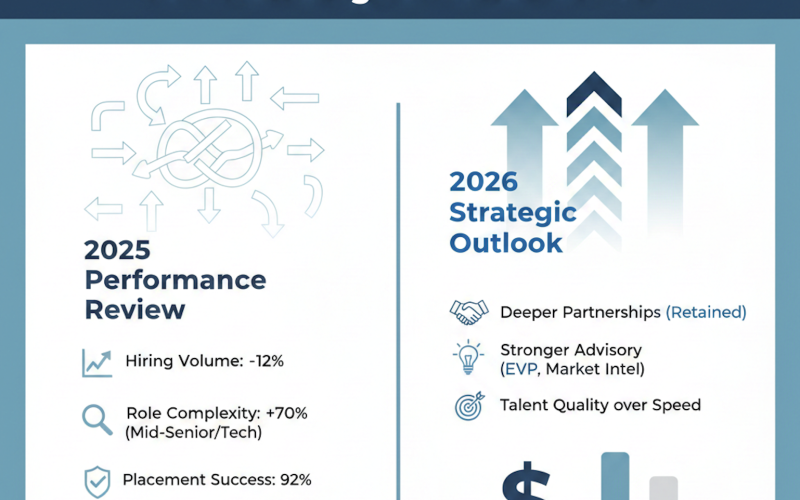
INT 2025 Performance Review & 2026 Outlook
25/12/2025
Vietnam Is No Longer a “Low-Cost Market”
17/12/2025
-cr-800x500.png)