
Quality of Hire in Vietnam: Why Recruitment Success Is No Longer About Filling Vacancies
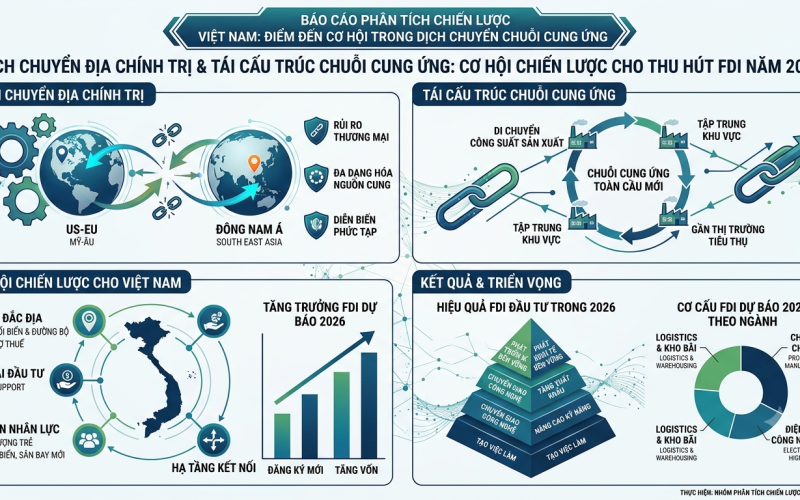
Vietnam’s labor market is entering a new phase of transformation. As foreign direct investment (FDI), digital transformation, manufacturing expansion, and regional headquarters continue to grow in Vietnam, companies are facing a critical challenge: hiring fast is no longer enough — hiring the right people has become the real competitive advantage.
In this context, Quality of Hire (QoH) is emerging as one of the most important recruitment metrics for businesses operating in Vietnam.
While many organizations still focus heavily on recruitment volume, salary competitiveness, or speed-to-hire, leading companies are now shifting toward a more strategic question:
“Can this candidate create long-term business value for our organization in Vietnam?”
That question defines the future of recruitment.
What Does Quality of Hire Mean in Vietnam?
Quality of Hire refers to the overall value a new employee contributes to a company after being hired. In Vietnam’s increasingly competitive talent market, QoH is no longer measured solely by whether a candidate passes probation or accepts an offer.
A high-quality hire in Vietnam should demonstrate:
- Strong job performance
- Fast adaptation to business culture
- Long-term retention potential
- Learning agility
- Cross-functional collaboration capability
- Ability to grow alongside the company
For multinational companies, Quality of Hire becomes even more critical when building local leadership teams, factory operations, commercial teams, or regional support functions in Vietnam.
Why Quality of Hire Matters More in Vietnam Today
Vietnam’s Talent Market Is Becoming Increasingly Competitive
Vietnam continues to attract investment across industries such as:
- Manufacturing
- Semiconductor & electronics
- Renewable energy
- Logistics
- E-commerce
- Retail
- Healthcare
- Technology
As demand for skilled talent rises faster than supply, businesses are facing:
- Talent shortages
- High employee turnover
- Salary inflation
- Increasing competition for bilingual and management-level candidates
This means a poor hiring decision today is far more expensive than before.
Replacing the wrong hire can result in:
- Productivity loss
- Delayed projects
- Team disruption
- Additional recruitment costs
- Employer branding damage
For many companies in Vietnam, especially FDI businesses entering the market, hiring quality directly impacts business expansion speed.
The Biggest Recruitment Challenge in Vietnam: Hiring Based on CVs Instead of Capability
One of the most common recruitment mistakes in Vietnam is overly relying on:
- Academic background
- Years of experience
- Big company names
- Job titles
However, Vietnam’s labor market is evolving rapidly. Many candidates may possess strong technical knowledge but struggle with:
- Communication
- Ownership mindset
- Problem-solving
- Adaptability
- Leadership capability
This is why modern recruitment strategies in Vietnam are moving toward Skills-Based Hiring.
Instead of asking:
“Where did this candidate work before?”
Employers are increasingly asking:
“Can this person solve the business problems we currently face?”
This shift is redefining Quality of Hire across Vietnam.
Key Factors That Define a High-Quality Hire in Vietnam
1. Performance & Productivity
The first indicator is how quickly a new employee can create measurable impact.
In Vietnam’s fast-moving business environment, companies increasingly evaluate:
- Time-to-productivity
- KPI achievement
- Problem-solving effectiveness
- Project execution capability
Employees who require shorter adaptation periods often deliver higher recruitment ROI.
2. Retention & Cultural Adaptability
Employee retention remains one of the biggest HR challenges in Vietnam, particularly in:
- Sales
- Manufacturing
- Technology
- Retail
- Logistics
A quality hire is not simply someone who performs well for a few months. They should also:
- Integrate effectively into the organization
- Align with company values
- Demonstrate commitment
- Build positive internal relationships
Companies are now focusing more on Cultural Add rather than traditional Cultural Fit — hiring people who bring fresh perspectives and innovation.
3. Learning Agility & Future Potential
Vietnam’s business landscape is changing rapidly due to:
- AI adoption
- Automation
- Digital transformation
- International business expansion
As a result, future-ready companies prioritize candidates who can:
- Learn quickly
- Adapt to change
- Reskill continuously
- Take on broader responsibilities over time
Learning agility is becoming one of the strongest predictors of long-term hiring success in Vietnam.
How Companies in Vietnam Can Improve Quality of Hire
Build Recruitment Around Business Problems
Many job descriptions in Vietnam are still written as generic task lists.
Instead, recruitment teams should clearly define:
- What business challenge this role solves
- What outcomes are expected within 6–12 months
- Which competencies are truly critical
This helps recruiters target candidates with real business impact potential.
Align HR and Hiring Managers Early
One major issue in Vietnam’s recruitment process is misalignment between HR and department managers.
Successful hiring requires both sides to agree on:
- Core competencies
- Technical expectations
- Leadership capability
- Communication requirements
- Growth potential
Without alignment, recruitment becomes inconsistent and subjective.
Use Structured Interviews and Skill Assessments
Traditional interviews based on intuition often lead to poor hiring decisions.
Leading companies in Vietnam increasingly use:
- Structured interviews
- Behavioral questions
- Case studies
- Job simulations
- Task-based assessments
These methods improve hiring accuracy and reduce bias.
Invest in Employer Branding
Vietnamese candidates — especially high-performing passive talent — increasingly evaluate employers based on:
- Career growth opportunities
- Leadership quality
- Work-life balance
- Flexible working models
- Company culture
- Organizational transparency
A strong employer brand helps companies attract better candidates before recruitment even begins.
For FDI companies entering Vietnam, employer branding is often one of the fastest ways to improve Quality of Hire.
Measuring Quality of Hire
Many companies in Vietnam still struggle to measure recruitment effectiveness beyond hiring speed.
A practical Quality of Hire framework may include:
- Performance evaluation after 6–12 months
- Retention rate
- Hiring manager satisfaction
- Time-to-productivity
- Internal promotion potential
A common measurement model is:
Where:
- P = Performance Rating
- R = Retention Score
- HP = Hiring Productivity
- MS = Manager Satisfaction
This approach helps organizations evaluate recruitment quality from both short-term and long-term perspectives.
The Future of Recruitment in Vietnam Is Quality-Driven
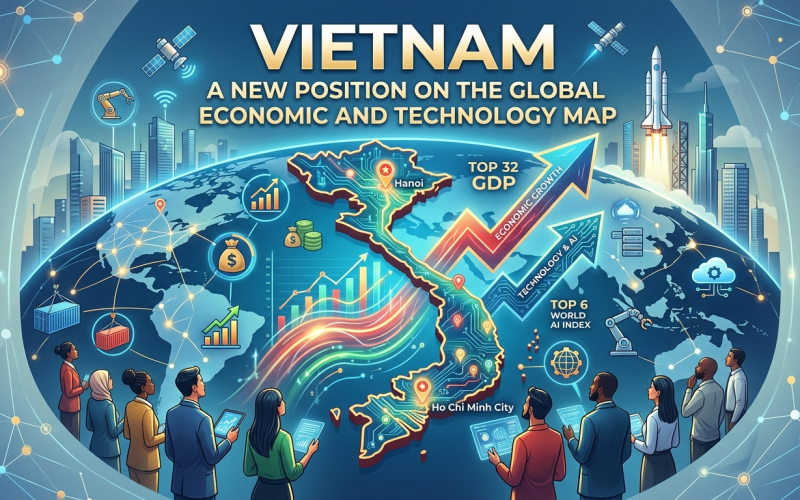
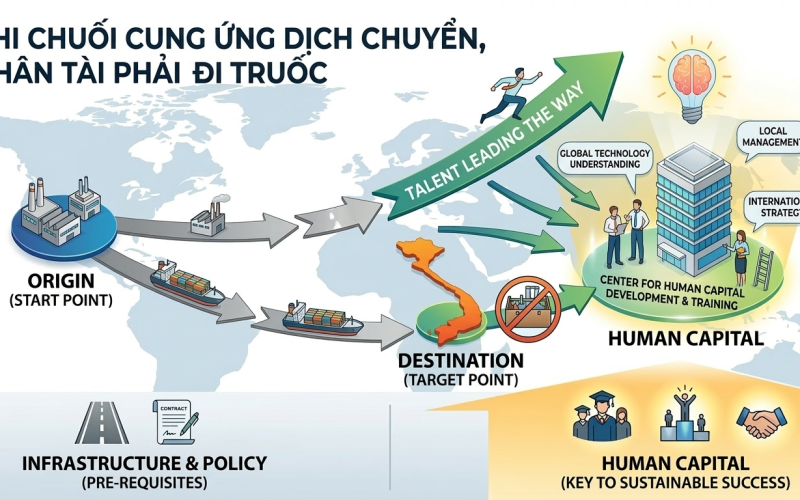
Vietnam is no longer a low-cost labor market alone. It is becoming a strategic talent hub in Southeast Asia.
As competition for skilled professionals intensifies, companies that continue focusing only on hiring speed or salary negotiation will struggle to build sustainable teams.
The organizations that succeed in Vietnam over the next decade will be those that:
- Prioritize Quality of Hire
- Adopt skills-based hiring
- Invest in employer branding
- Use data-driven recruitment strategies
- Build long-term talent pipelines
Ultimately, Quality of Hire is not just an HR metric — it is a business growth strategy.
Other Articles