When Supply Chains Move, Talent Must Move First
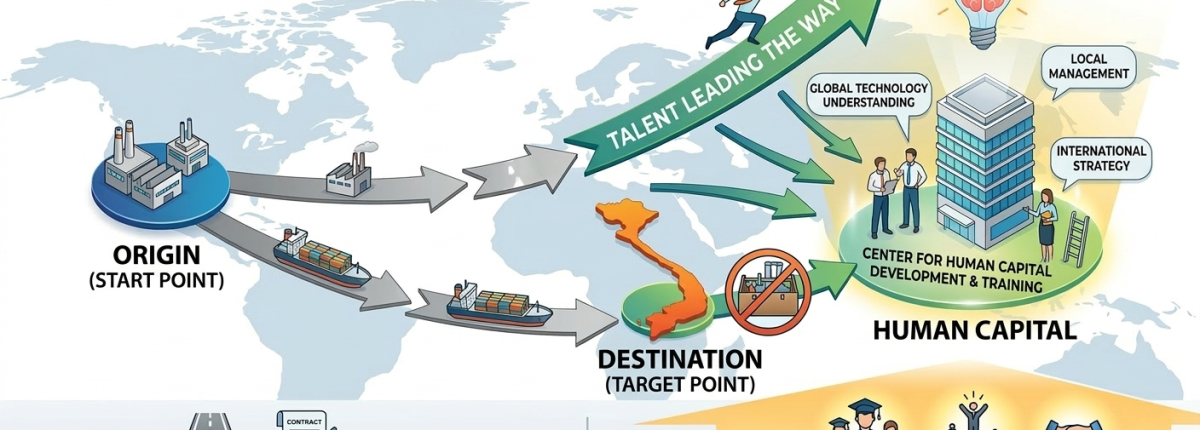
Over the past few years, the global supply chain has been undergoing a quiet but profound transformation. Trade tensions, geopolitical risks, and the need to restructure operations after the pandemic have pushed multinational corporations to rethink where they manufacture, source, and distribute their products.
As a result, Southeast Asia — especially Vietnam — has emerged as a strategic destination for supply chain relocation and manufacturing expansion.
However, there is one critical factor many companies underestimate when entering a new market: Talent Readiness.
Market Entry Is Not Just About Building Factories
When companies decide to relocate production or expand operations internationally, their top priorities usually include:
- Modern industrial parks
- Strong logistics infrastructure
- Attractive tax incentives
- Free Trade Agreements (FTAs)
These factors certainly matter. But in reality, the biggest operational challenges often appear after the investment decision has been made.
The real question becomes:
Who will lead the local operation?
A country or company cannot rely solely on infrastructure or tax incentives to attract sustainable investment. Infrastructure can be built and taxes can be reduced — but human capital is the true driver of long-term operational success.
The Talent Gap: The Hidden Bottleneck in Supply Chain Relocation
Many multinational companies entering emerging markets face similar talent challenges:
1. Shortage of Experienced Local Leadership
Finding mid-level and senior managers with international working experience remains difficult. Companies need leaders who can bridge the gap between headquarters strategy and local execution.
2. Management Culture Misalignment
Global corporations often struggle to translate their management philosophy into local operations. This requires local leaders who understand both the expectations of global headquarters and the realities of operating in Vietnam.
3. Cross-Border Supply Chain Expertise
Talent with deep knowledge of international supply chains, cross-border logistics, and global trade operations remains limited, especially in rapidly developing markets.
These talent shortages can easily become a bottleneck that slows down expansion and operational efficiency.
Human Capital: The Real Engine of Sustainable Growth
If infrastructure is the body of a supply chain ecosystem, talent is its soul.
To avoid operational delays and leadership gaps, companies entering new markets should rethink their approach:
- Build Talent Readiness Early
Instead of waiting until a factory is completed, companies should identify and build their core leadership team early in the market entry process.
- Focus on Capability Transfer, Not Just Hiring
Develop a roadmap that allows local leaders to gradually take over key roles, reducing long-term reliance on expensive expatriates.
- Treat Recruitment as a Strategic Partnership
Hiring should not be viewed simply as filling positions. Companies need strategic talent partners who can help identify leaders with the adaptability, global mindset, and strategic thinking required to navigate new markets.
In the global supply chain shift, capital and technology can move fast — but talent takes time to build.
Companies that prioritize human capital and talent readiness will gain the real long-term competitive advantage.
At INT, we help global companies expanding into Vietnam and Southeast Asia find the right leaders and build strong local teams.
Because successful expansion is not just about moving operations — it’s about building the team that can lead the market.
If your organization is entering the region, let’s connect:
https://int-hragent.com
Other Articles
Hiring the Right People or Hiring to the JD?
03/02/2026


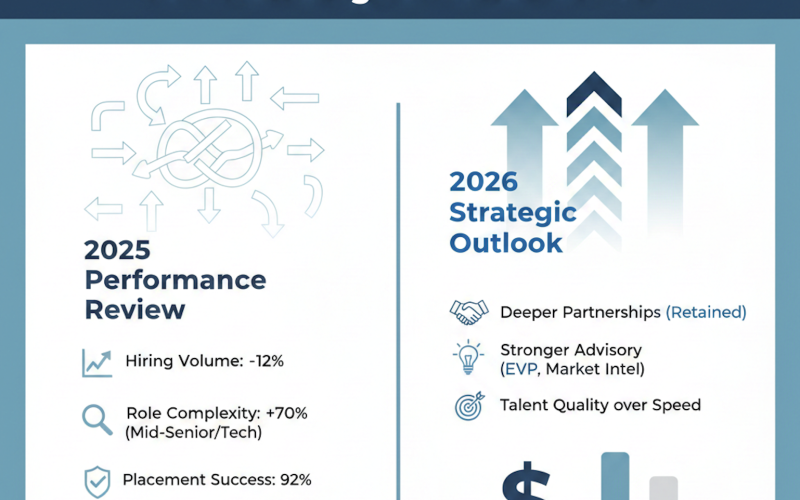
INT 2025 Performance Review & 2026 Outlook
25/12/2025
Vietnam Is No Longer a “Low-Cost Market”
17/12/2025